The story · Chapter one
The number everybody repeats
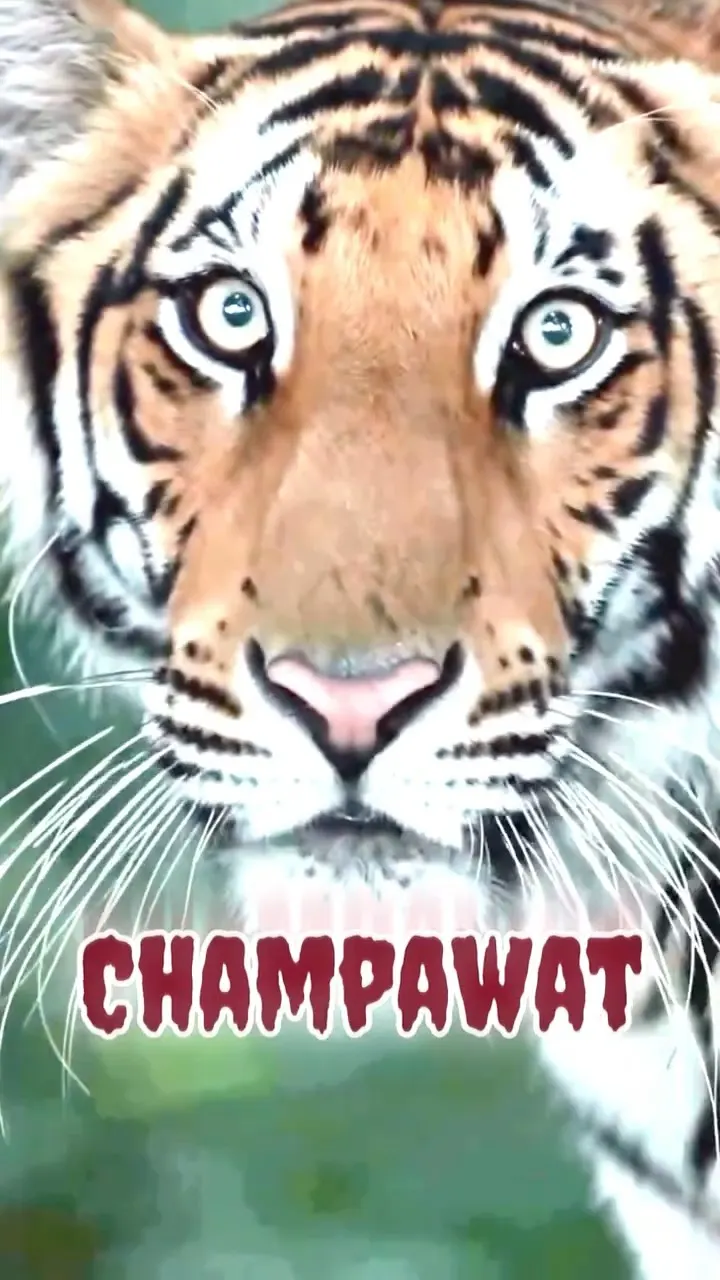
Four hundred and thirty six. That is the number written next to her name in every list of the world's deadliest animals, and no other named animal comes close. Here is the part almost nobody mentions. Corbett's own book counts two hundred people in Nepal and two hundred and thirty four in Kumaon, which adds up to four hundred and thirty four. The extra two got added somewhere in a hundred years of retelling, and nobody can say where.
It does not matter. Nobody was keeping careful records in the hills in 1905, and the real total is the one thing about her nobody will ever know. What the number actually tells you is that for close to a decade, one tigress emptied villages across two countries. And the question worth asking is not how many. It is why.
- 436
- recorded lives
- 200
- before she crossed into India
- 300
- men in the final beat
Chapter two
The bullet that started it
Sometime in the late 1890s, in the forests of western Nepal, a hunter shot a young tigress and failed to kill her. The shot smashed through her mouth. When she was finally examined after her death, the upper and lower canine teeth on the right side of her jaw were found broken, the upper in half, the lower right down to the bone. The bone had grown over the old wound. She had lived with it for years.
A tiger kills large prey with those four teeth. Without them she could not hold a sambar or bring down a chital, and an animal that cannot take its natural prey does not lie down and starve. It takes what it can catch. In the hills, what a broken tigress can catch is people.
Nepal tried to deal with her the way you deal with a problem animal. Armed parties drove her west until she crossed the Sarda river into Kumaon, which solved Nepal's problem by handing it to India. She arrived around 1903 with two hundred deaths already behind her.
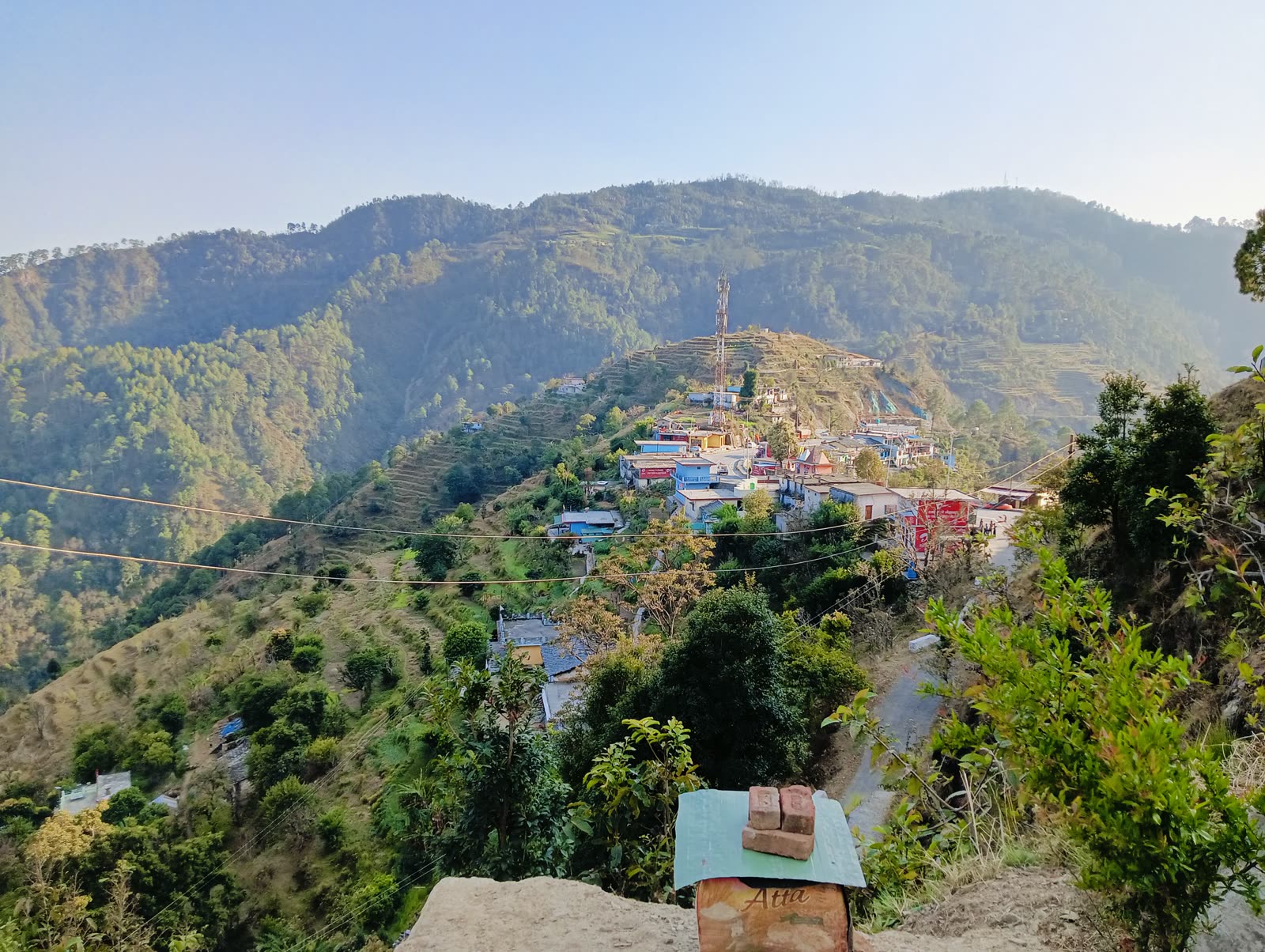
Champawat district today. Villages folded into forest, the same country she hunted.
Chapter three
Four years of daylight
What made her different was not the count. It was the daylight. A normal tiger avoids people; even most man-eaters work at dusk and at night. She took people at midday, within sight of their houses. And between one kill and the next she covered so much ground that nobody could guess where she would appear. Villages along her routes simply stopped working. People would not leave their homes to cut grass or fetch water, and roads that had carried traffic for generations went quiet.
By 1907 the government had a bounty on her and had already sent hunters. When Jim Corbett was asked to try, he set two conditions that tell you who he was: the bounty had to be withdrawn, and every other hunter called off. He would not shoot an animal for money, and he did not want to be shot by a nervous man in a bush.
Her last victim was a sixteen year old girl, taken in daylight while gathering leaves within sight of her village near Champawat town. Corbett followed the drag marks into the valley and spent a sleepless night. The next day the tahsildar of Champawat raised close to three hundred villagers, and they came down the hillsides with drums and guns and anything that made noise, driving her along the gorge to where Corbett waited. He fired three times and his rifle was empty. The wounded tigress turned, and he finished it at close range with a shotgun borrowed from the tahsildar himself.
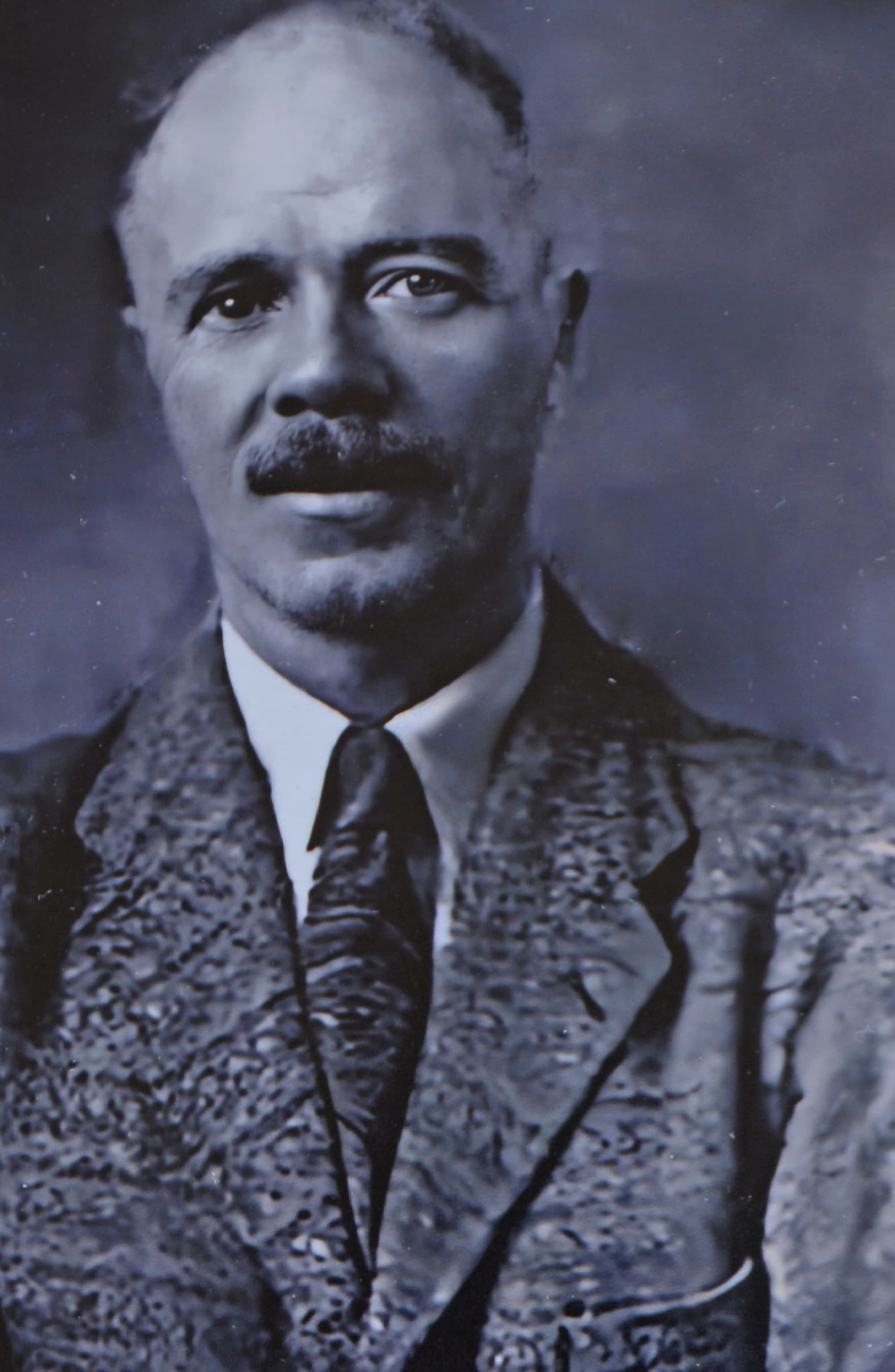
"A man-eating tiger is a tiger that has been compelled, through stress of circumstances beyond its control, to adopt a diet alien to it."
Jim Corbett, Man-Eaters of Kumaon, 1944
Chapter four
What she changed
When Corbett examined her body and found the shattered teeth, he understood what he was looking at. The deadliest man-eater in recorded history was not born. She was made. One careless human shot made her, years before she ever touched a person. He wrote it plainly and kept writing it for the rest of his life.
Champawat was the first man-eater Corbett ever hunted, and the animal that set the course of his whole life. The hunter became the hills' most stubborn defender of tigers, and in 1936 he helped create India's first national park, the one that today carries his name. Every tiger you will ever see in Corbett Tiger Reserve stands in a line that runs back, strangely, through her.
She has no grave and no photograph. What she has is a town that carries her name into every list of the world's deadliest animals, and a lesson that conservation has been relearning ever since. The jungle does not produce monsters. It absorbs our mistakes, and sometimes it hands them back.