The story · Chapter one
The most famous face in the forest
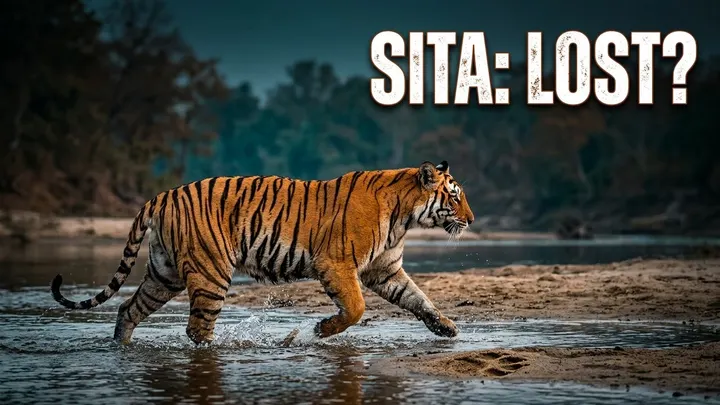
In December 1997, National Geographic put a tigress on its cover. Not a model in a studio. A wild animal from Bandhavgarh, photographed by Michael Nichols after months of work, walking through her own grass. That cover went to millions of homes on every continent, and for a while the most recognisable wild animal on earth was a tigress from Madhya Pradesh called Sita.
Fame was the least of what she did. Between the late eighties and the late nineties she raised six litters in the meadows under the Bandhavgarh fort, and she raised them in the open, in daylight, close enough to the tourist routes that a generation of guides learned tiger behaviour just by watching her raise her cubs. Much of what the park is today comes from her bloodline.
- 6
- litters raised in the open
- 1997
- the National Geographic cover
Chapter two
The vanishing
In 1998 she was gone. No carcass, no confirmed sighting, nothing. For an animal photographed more than any tiger alive, the silence was the loudest possible answer. Those were the worst years of the poaching wave that emptied reserves across India, and the most likely truth is the ugliest one: the most famous tigress on earth ended as a skin in a sack.
Nobody was ever charged. There is no memorial in the park. What she has instead is blood: cub lines that spread through Bandhavgarh and kept spreading after she was gone. When you watch a tiger walk the meadows under the fort today, there is a real chance you are watching her great grandchildren hold the ground she held.
Her name is the reason this channel says every tiger has one. A sighting is forgotten. Sita is not.